Posts

Gyrfalcon

Image
This flying creature is local to North America and Europe and has generally been the most prized and looked for after winged creatures for falconry. Plumage The juvenile plumage of the Gyrfalcon ranges from dark to just about unadulterated white. The further north the fledgling's environment, the more probable it is to be white. Chasing Commonplace quarry got with the Gyrfalcon are substantial winged creatures including grouse, bird, waterfowl, and ptarmigan and even rabbits or snowshoe bunnies. In the wild this winged animal most normally chases ptarmigan with the expansion of Arctic bunny, geese, ducks, and even rabbits. Their flight style is fast with capable wing beats and times of floating very nearly like a Goshawk. Despite the fact that they are slower than the Peregrine, they seem to have more continuance. The Gyrfalcon's run of the mill chasing style is to seek after, here and there over numerous miles. Telemetry is just about needed to fly this fledg...

Saker

Image
This winged creature is not local to North America. It is a far reaching feathered creature found crosswise over the majority of Eastern Europe, Asia, Russia, and China. Plumage The Saker can shift from a dim chestnut to very nearly a cream shading, yet dotting through the breast and wings is average. Morphology This winged creature is one of the biggest bird of prey species and like the Gyr. Chasing Commonplace quarry got with the Saker will be little to medium measured rodents, birds, and starlings. This fowl has a very much alike assault style to the Gyrfalcon and it is imagined that they are nearly related. Trivia The Saker is not horribly basic in the United States. Amicable fledglings, Sakers and Saker -mixtures have the unappealing attribute of needing to relocate in warm climate. This implies flying them in the South, late-summer, fall, spring, or mid-evening isn't prescribed. They are a most loved of the Arab falconers for their constant enthusias...

Peregrine Falcon

Image
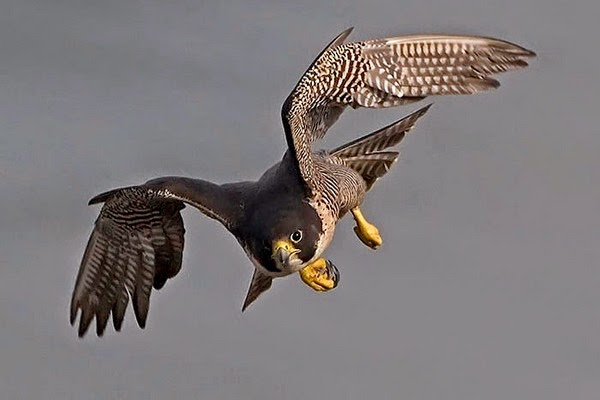
This fledgling is local to North America and Europe and has generally been a standout amongst the most prized and regular fowls for falconry. It is very powerful and effortlessly persuaded to work with its handler. It is known for its trademark stoop and exceeds expectations at tend to. The Peregrine normally settles in high bluffs ignoring water. The move to settling on high rises is not a colossal jump considering their favored settling locales. There are three sub-species in N. America - Tundra Peregrines , Peale's Peregrines, and Anatum Peregrines. Peale's Peregrines possess a specialty that is troublesome. They fight Bald Eagles for sustenance. Maybe this is the place their disposition originates from as they are for the most part viewed as less amiable, or much more frightful. They have a tendency to be less demanding to trigger into forcefulness or shouting. They are more expressive in their body pose and are often contrasted with the Bald Eagle or a Prairie Falcon...

Prairie Falcon

Image
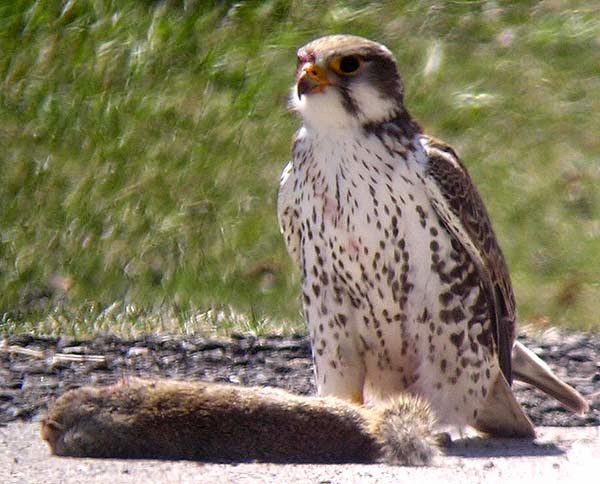
 This fowl is local to the gorches and edges of the western US, and is not a customary feathered creature utilized for falconry as it is not local to Europe or Asia. The Prairie Falcon settles in bluffs and precipice ledges. A few falconers have noticed a more Accipiter-like conduct to the Prairie, which numerous who like to fly birds of prey have a tendency to guide far from. These are seen as more passionate winged animals by some than a significant number of alternate birds of prey. Plumage The Prairie bird of prey has the sandy tan and cocoa colorings of the scene from which it comes. It is very much alike to the Peregrine in size, albeit has a tendency to be littler, shape, and the cover markings, or mustache, on the other hand it is in cocoa tones while the Peregrine has the unique blue-dim. One recognizing check here is the dull triangular fix underneath every wing. Chasing Normal quarry got with the Prairie are little and medium estimated flying creatures, fo...

Aplomado

Image
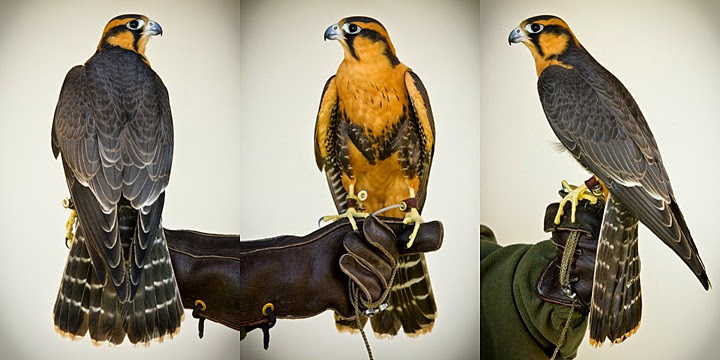
The Aplomado is local to Central and South America. Plumage A beautiful hawk, this feathered creature has spotted under-wings, a dim blue-dim tail with slight white stripes. The back, head, and wings are a blue-dark shading with a light stripe over the eyes. This winged animal is like the Prairie, aside from darker and more energetic. Chasing Ordinary quarry got with the Aplomado will be little fledglings, for example, Quail or Doves. In the wild these winged creatures normally eat little fowls and creepy crawlies, little reptiles, rodents, grasshoppers, reptiles, and snakes. Trivia This fledgling really chases more like the Accipiters than a regular bird of prey. The statement "Aplomado" is Spanish for lead-hued alluding to the fledgling's blue-dark shading. It is additionally called the Orange-Chested Hobby. Like most little birds of prey, Aplomados are known for conveying their catch. They are additionally known to need to move in sure times...

Merlin

Image
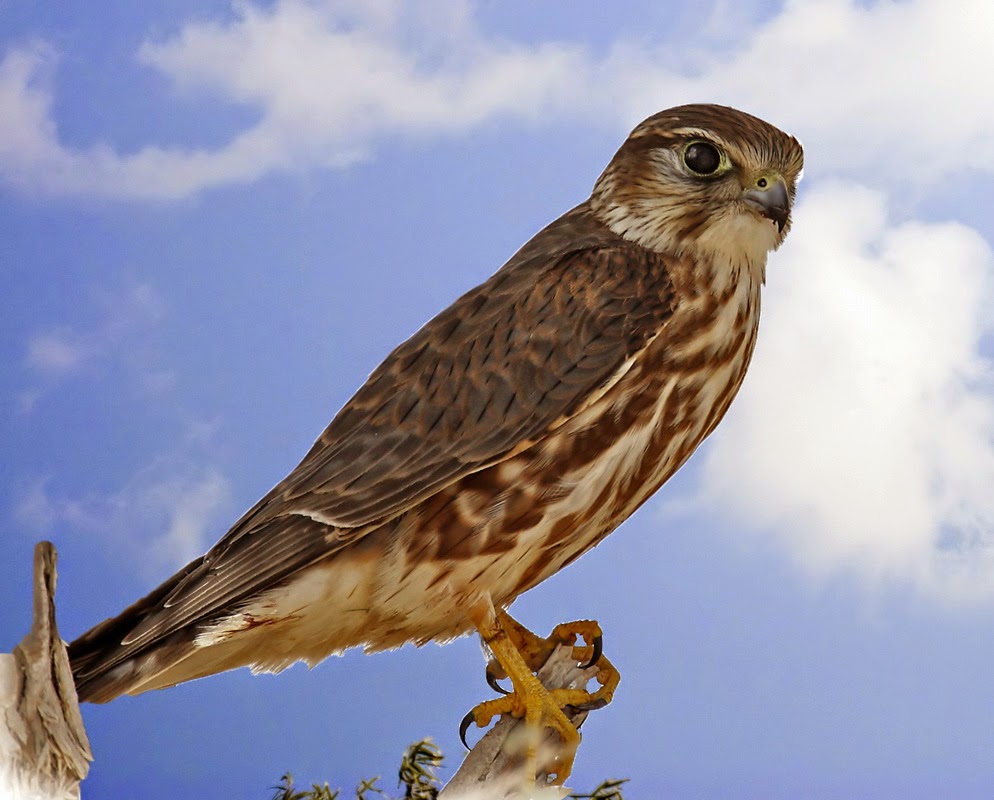
This is a conventional falconry fowl all through Europe and in America also. This fowl is not to be mistaken for the Eurasian Kestrel or the American Sparrowhawk. Chasing Common quarry got with the Merlin will be little and medium fowls, for example, birds, starlings, quail, and sparrows. In the wild this fledgling all the more ordinarily takes non-diversion flying creatures bigger than itself. Merlins will be pursued and are in threat from everything from crows to Red-Tails, so the falconer should dependably be mindful of what else is going on around the flight. This present winged creature's chasing style is stamped by the contorting tail-pursue that it will do rather than the Peregrine's signature stoop from a stature fit for a more accipitrine chasing style. To strike, it climbs over the prey and hits down with the claws. This is very much alike to the Peregrine's commonplace chasing style. It will likewise change to a grab and-get accipiter style of chasin...

Eurasian Kestrel

Image
This fowl is local to Europe and one of their most regular raptors. This fowl is not to be mistaken for the American Kestrel or the Eurasian Sparrowhawk . Plumage The youthful plumage of the Kestrel is not discernable from the developed plumage, despite the fact that the male and female are diversely shaded. The female is a more cocoa than the male, both having a banned tail - the female's is chestnut while the male's is blue-dim. Chasing Ordinary quarry got with the Kestrel are little winged animals and vertebrates , yet can take a bird. These feathered creatures normally subsist on little winged animals, voles, and creepy crawlies in nature. This little raptor has a novel capacity to float in mid-flight. Trivia The European Kestrel is likewise alluded to as the Windhover, the Eurasian Kestrel, and the Common Kestrel making qualification from the American Kestrel and Eurasian Sparrowhawk troublesome. The female European Kestrel will fly at around 16...